

Originally published in The Whirl of ReOrientation on June 19, 2026.
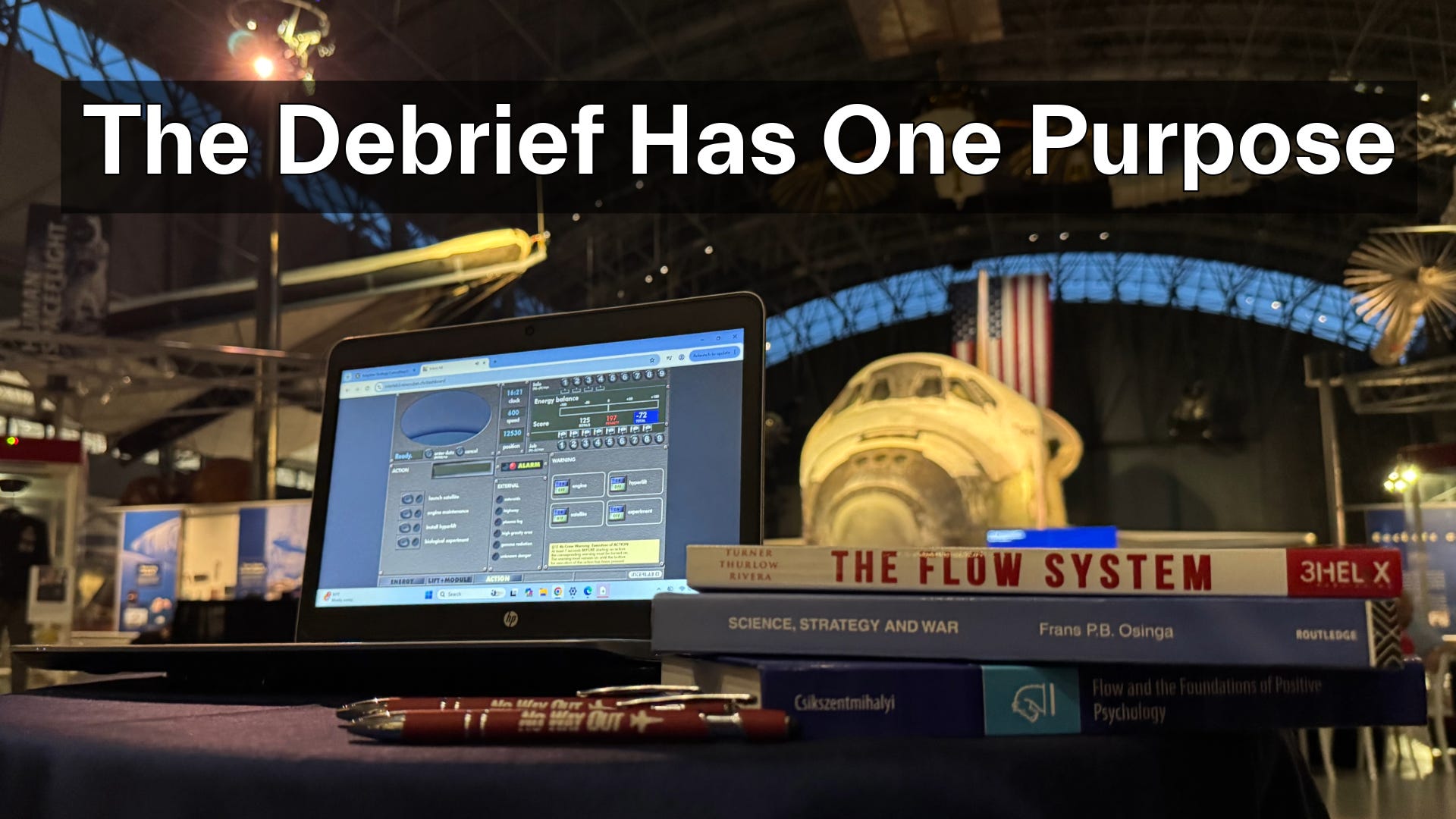
I said it at Hedgeye Live. I’ll say it again.
The purpose of a debrief is to confront reality.
Not accountability. Not lessons learned. Confronting reality. Those are different things and most organizations never make the distinction.
Here is the problem. You can’t directly access reality. No one can.
Immanuel Kant understood this two centuries before neuroscience caught up. He called it the gap between the phenomenal and the noumenal. The noumenal world is the world as it actually is. The phenomenal world is the world as it appears to you, filtered through your senses, your history, your priors. That bridge, Kant said, is unbridgeable. You never get the thing-in-itself. You only ever get your best inference of it.
Karl Friston has operationalized this in mathematics. Your brain is not a camera. It is a prediction machine. It generates a model of reality from the inside out, sends predictions downward, and compares them against incoming sensory signals. The gap between prediction and signal is a prediction error. That error is the only mechanism available for updating your model of the world. Friston calls this the Free Energy Principle. He has also stated that the OODA loop is isomorphic with active inference, a direct corollary of that principle.
John Boyd understood this intuitively decades before the equations existed. Orientation is your generative model of reality. It shapes your phenomenal world, determining what you perceive, what you ignore, and what you are even capable of seeing. It holds your priors shaped by genetic heritage, cultural traditions, and every experience you have accumulated. It generates top-down predictions about what you will Observe. And it is wrong. Structurally, inevitably, always partially wrong.
This is not a failure of intelligence. Boyd read Gödel, Heisenberg, and the second law of thermodynamics to make this point. Any closed conceptual system will eventually fail to map onto a changing environment. The more tightly your Orientation is calibrated to yesterday’s reality, the more it blinds you to today’s.
The debrief exists to force the loop open. To drag the noumenal world into the room.
In naval aviation we had a tool for this. The Tactical Aircrew Combat Training System (TACTS) range. Precision position, velocity, altitude, and orientation data on dozens of aircraft simultaneously. Full mission replay in 3D. Quantitative data on tactics, positioning, weapon performance, and errors. The closest approximation of the noumenal world we could produce.
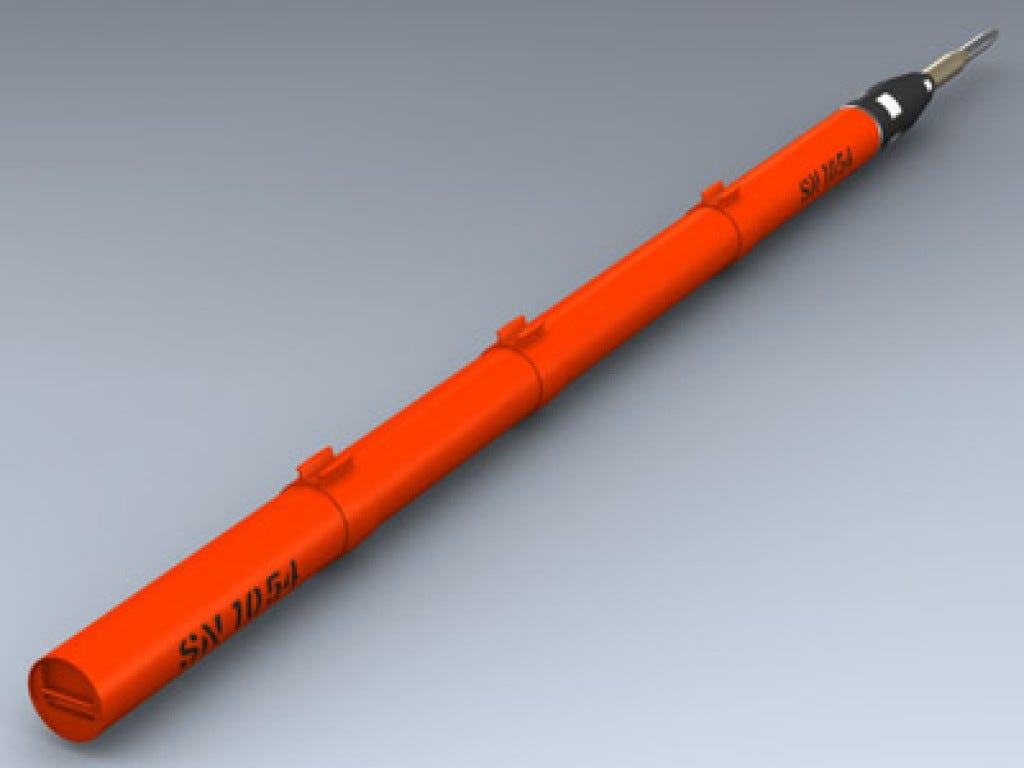
That data didn’t make the debrief easy. It made it honest. You couldn’t tell a story that contradicted the replay. Your phenomenal world got tested against something that did not care about your ego.
Here is the harder truth. Almost nobody actually wants to confront reality. You are too busy protecting your version of it. The ego constructs a phenomenal world and then defends it with everything it has. We rationalize. We reframe. We remember events in ways that preserve the coherence of our prior decisions. This is not weakness. It is how the predictive brain works. Orientation defends itself because updating is metabolically and psychologically expensive. The system prefers the comfort of a wrong model to the discomfort of rebuilding one. A debrief that does not account for this will be colonized by ego before it starts.
Most organizations don’t have a TACTS range. What they have is a room full of people, each carrying a different phenomenal version of the same event, each with a strong incentive to protect their version of the past. This is where debriefing methodology matters enormously.
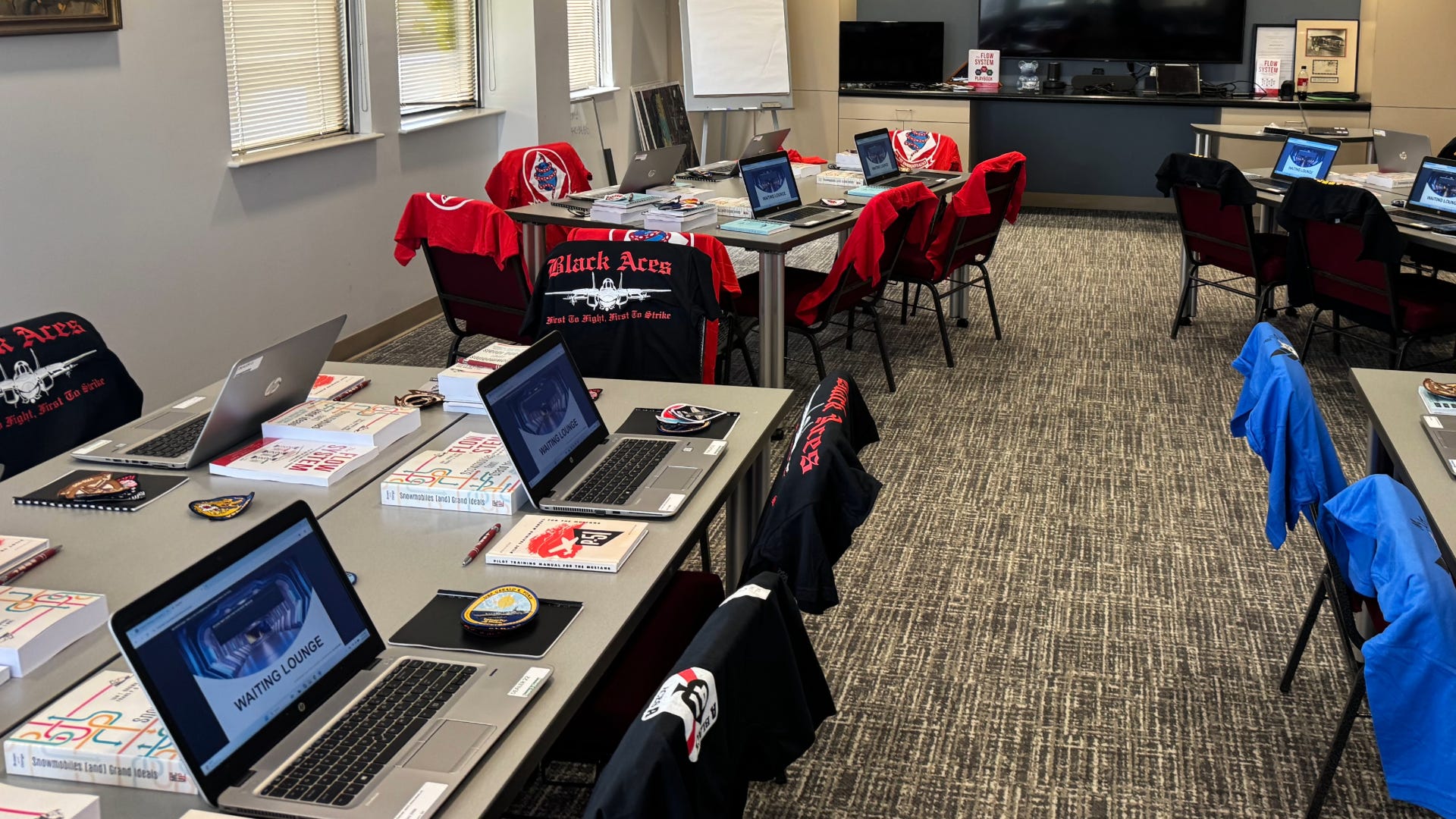
Last week we ran a Flow Learning Lab with a Wall Street client. The simulation we use is built on NINECUBES’ Interpersonal Skills Lab, probably the first digital serious game to focus exclusively on behavioral training. It began as a visionary training tool for pilots and has grown into a still-unique method for developing the skills that matter most in high-stakes teams. Combined with The Flow System, it becomes something closer to a miniature TACTS range for organizational behavior. It is intentionally low fidelity. The software is poorly designed by design. It ignores the lessons of human-centered design, and that is the point. It forces players to communicate clearly because the tool will not do it for them. Each player holds incomplete information. No one person can see the whole unfolding reality. They are entirely dependent on each other. This is a reciprocal team in the truest sense. We add time pressure and what Gary Klein and Dave Snowden call anthro-simulation, human and machine manipulation of the environment deliberately designed to drive teams toward failure. The constraints shift dynamically. Coaches, AI, and a behavioral marker system called ZONEFIVE capture the communication, the decisions, and the interactions in real time. When the debrief starts, we can replay what actually happened. We can go back to any moment and ask: what were you thinking right then?
These capabilities are the point. Without them, you are asking people to reconstruct the past from memory alone. Memory is not a recording. It is a reconstruction shaped by the very Orientation you are trying to update. The ego protects its version of events before the conversation even begins.
Debriefing Builds Situational Awareness
Here is where Friston’s distinction becomes a first principles argument for why debriefing works.
On the No Way Out Podcast, Friston was precise about something most people miss. There are two kinds of surprise and they pull in opposite directions. When you are perceiving, you want to minimize sensory surprise. You want your model of reality, your Orientation, to fit the incoming signal as tightly as possible. That tight fit is similar to what we called situational awareness in fighter aviation. The better your generative model (Orientation) predicts what is unfolding, the less surprised you are, and the more accurately you can act and anticipate.
But that calibration doesn’t happen automatically. It has to be built.
This is what the TACTS range gave us. When a student pilot sat down to debrief a 40-second dogfight, we forced them to reconstruct everything. Heading. Altitude. Airspeed. Position of the sun. Visibility. Winds. Where the threat aircraft was at the merge. Every move we made. Every move they made.

That reconstruction was level one situational awareness applied retrospectively. What actually happened? Not what the student believed happened. What did the noumenal world produce?
The sequence matters and cannot be shortcut. Events first. Affordances first. What was actually present in the environment, what options it offered, what constraints it imposed. This is the foundation. You do not go to beliefs until you have established the facts collectively. Going to beliefs too early hands the conversation to the loudest ego in the room. The person with the most confidence in their phenomenal world wins, and the noumenal world never gets a seat at the table.
The TACTS range enforced this discipline automatically. The replay showed the events. Everyone saw the same data before anyone offered an interpretation. That sequencing is what made the debrief defensible and productive. It is also what made it uncomfortable in exactly the right way.
Every time a student’s phenomenal account diverged from the replay, that divergence was a prediction error made visible. Their Orientation had predicted one reality. The environment had produced another. The gap between the two was the lesson.
Over time, through repeated debrief reps, something changes. The student stops being surprised by the same things. Their Orientation learns what to attend to. Heading and altitude at the merge. Sun position. Threat geometry. The information that actually matters in a dynamic engagement gets weighted more heavily. The noise gets filtered. What looked like chaos starts to have structure.
That is sensory surprise being minimized through learning. That is level one SA becoming level two. What is happening becomes what matters. And eventually, with enough calibrated reps, it becomes level three. The pilot starts to anticipate. They see the setup forming before it completes. They act on what is about to happen, not what just happened.
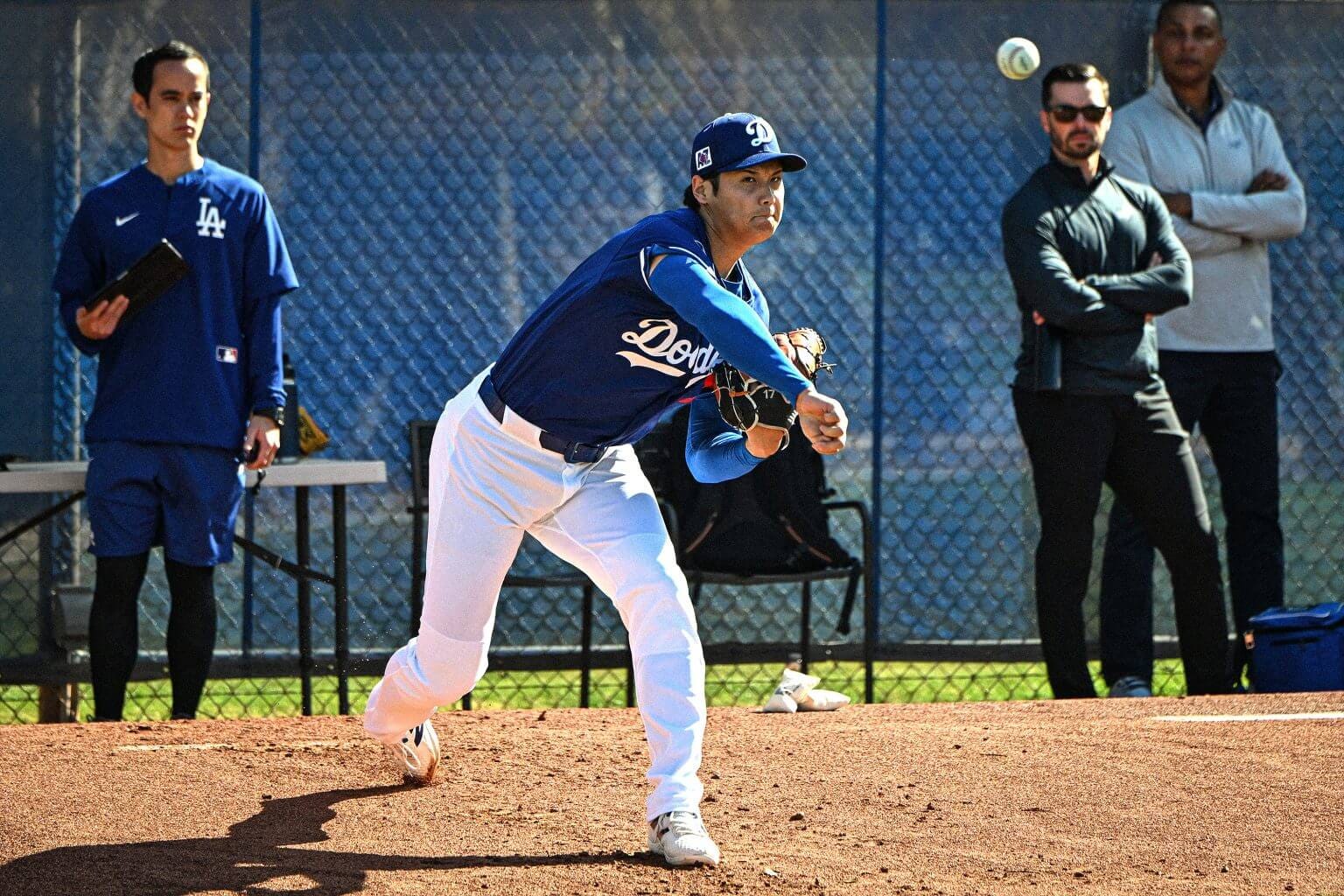
The same process is at work when you teach a baseball batter to read a pitcher. The grip. The shoulder angle. The hip rotation. The release point. None of that is visible to a novice. It becomes visible through deliberate retrospective attention, through debrief reps that force the question: what should you have been looking at? Over time the perceptual system attunes. The batter doesn’t think through a checklist in the box. They see. That is minimized sensory surprise expressed as expert perception.
The same principle applies to a young basketball player learning to read a defender. Hips. Momentum. Weight transfer. Body positioning. Not a script. Attunement. The ability to read the unfolding environment in real time because the perceptual system has been conditioned through deliberate retrospection to notice what matters.
What we are building through this process is not robustness. Robustness follows a script. What we are building is adaptive capacity.
Ryan “Guido” Bernacchi understood this at a level most leaders never reach. A former Commanding Officer of the Blue Angels, he shared something at our Wall Street client’s Leadership Offsite last week that stopped the room. It was late in the season before Blue Angel 2 tapped him on the arm in the debrief and said: “Boss, you got them all. Congratulations.” Guido was referring to his awareness of every mistake he had made as a leader during one flight demonstration. Every deviation from the standard he held his team to.
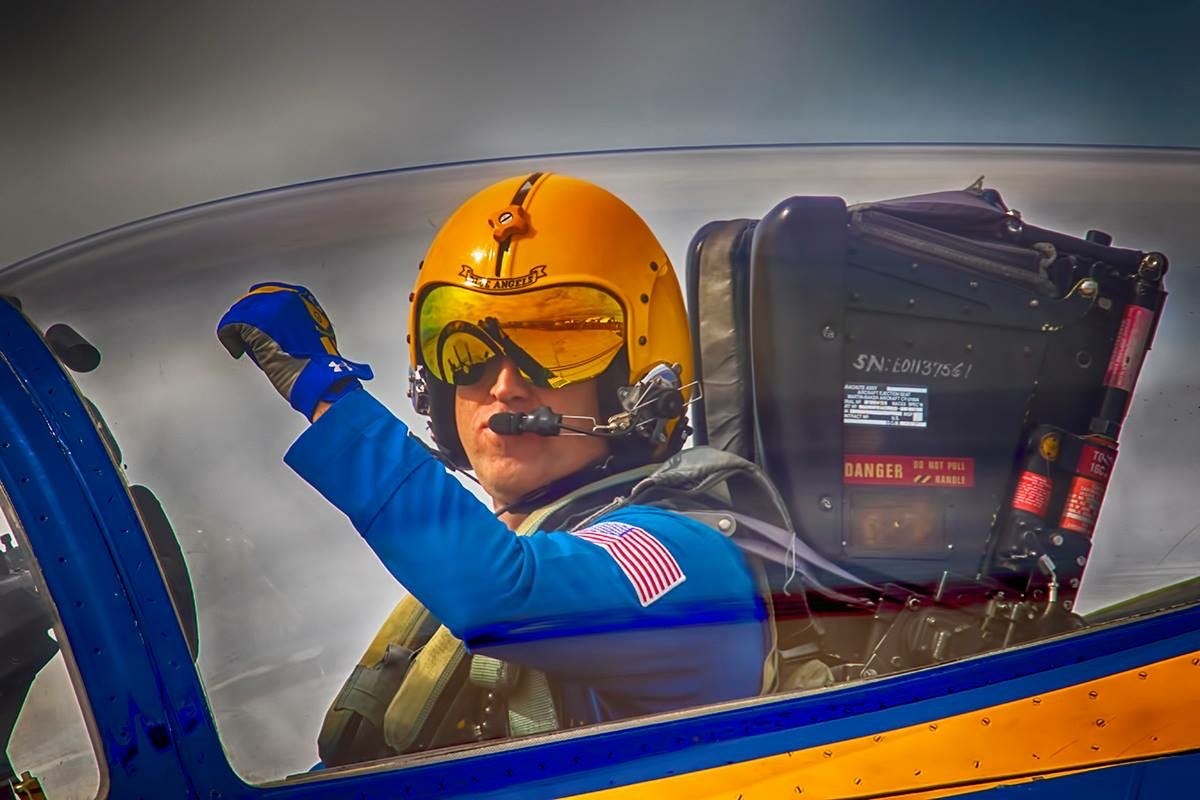
Mid to late season. Before his Orientation was calibrated enough to see it.
Not because he lacked self-awareness. Because level two situational awareness, knowing what matters, what you should actually be paying attention to as a leader, takes time to build even for elite performers. The debrief is what built it. Rep by rep. Prediction error by prediction error. Until his generative model of what leading the Blue Angels required was tight enough to catch his own deviations in real time.
That is sensory surprise minimized through deliberate retrospection. That is what a debrief is for.
Inside the Flow Learning Lab, we use Gary Klein’s SA calibration questions at deliberate pause points during the simulation. The sequence is Think-Write-Share, the foundational Red Teaming technique. Each person answers independently before anyone speaks.
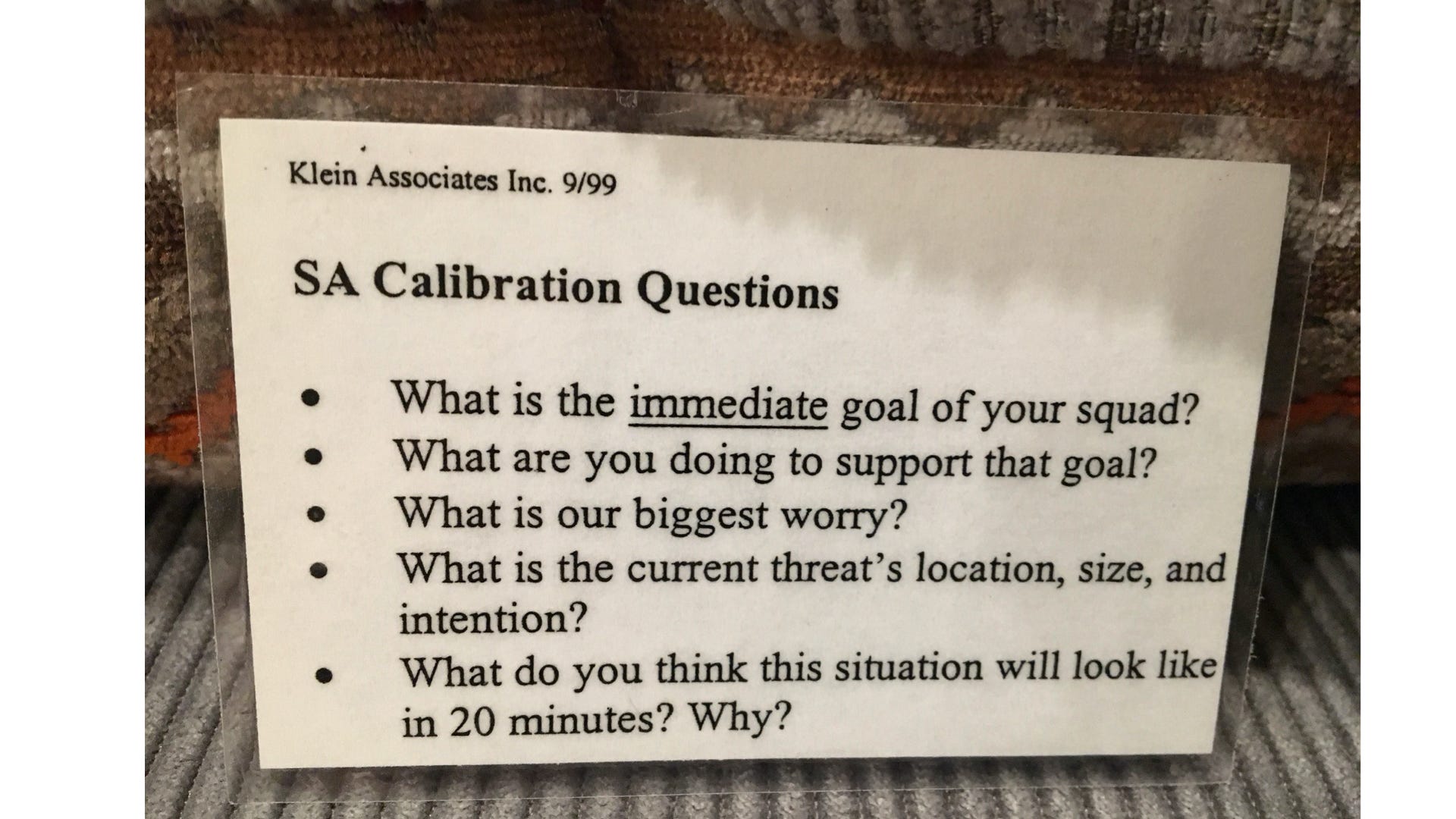
What is the immediate goal of the team right now? What are you doing to support that goal? What is your biggest worry? Where is the threat, and what does it intend? What do you think the situation looks like in two minutes, in five, in ten?
Writing first matters. It externalizes each person’s phenomenal world before the social dynamics of the room collapse individual models into group consensus. It gives the debrief real data on how each Orientation was modeling the situation at that exact moment. SenseMaker can be deployed at these same pause points, or at the conclusion, to capture the distributed sense-making of the team without forcing it into a single dominant narrative.
A paper published this year at the AAAI conference on Artificial Intelligence titled Think How Your Teammates Think: Active Inference Can Benefit Decentralized Execution pushed this further into team dynamics. The title alone is worth sitting with. The research builds directly on active inference, the same framework Friston mapped onto the OODA loop, and applies it to the problem of how agents in a system develop accurate models of how their teammates think without relying on direct communication. The finding cuts to the heart of what a debrief is actually trying to accomplish. Researchers found that agents who could model how their teammates think, not just what they did, dramatically outperformed those who couldn’t. They separated three layers: what a teammate perceived, what they believed, and what action they took.

That maps directly onto the three levels of situational awareness. And the sequence is not negotiable.
Perception and events come first. What did each person actually observe? What affordances did the environment offer? What constraints did it impose? This is level one and it is the foundation everything else rests on. You cannot have a productive conversation about beliefs until the room has collectively established what happened. Skip this step and you are not debriefing. You are having an argument between competing phenomenal worlds with no referee.
Once the events are established, the belief layer becomes accessible. The belief layer is the Orientation each person was operating from when the decision was made. It is the generative model that explains why they saw what they saw, prioritized what they prioritized, and acted the way they acted. That is level two and the bridge to level three anticipation.
Most debriefs operate only on the action layer. We review what was done. Some reach the perception layer. We discuss what was seen. Almost none reach the belief layer in a disciplined way, because getting there requires the events to be settled first. Why did you think what you thought? What was your Orientation predicting at that moment? What was your model of the situation telling you was about to happen?
That is where the mismatch lives. That is where the prediction error is largest and most instructive. That is where Orientation actually gets updated.
The paper also showed something important about debrief design. Indiscriminate integration of all teammate models degraded performance. The researchers built a dual filter, screening for accuracy and relevance before incorporating a teammate’s perspective into the decision process. Not every voice in a debrief room has equal vantage on every part of the engagement. A well-run debrief does the same thing. It does not flatten all perspectives into consensus. It treats each perspective as a data point weighted by who had the best view of what.
This is not hierarchy for its own sake. It is precision weighting. Friston uses that term to describe how the brain selects which prediction errors to trust. You turn the volume up on the sources most likely to carry signal. The TACTS range did this automatically. The data had no opinion. In a room without that data, the debrief leader has to do it deliberately.
This Is the Whole Game
Orientation is your generative model of reality. It shapes your phenomenal world, determining what you perceive, what you ignore, and what you are even capable of seeing. It holds your priors shaped by genetic heritage, cultural traditions, and every experience you have accumulated. It generates top-down predictions about what you will observe. You cannot step outside it. You can only update it.
And you can only update it by confronting reality.
Not a curated version of reality. Not the version that protects the plan or the leader or the team’s self-image. The actual noumenal world, reconstructed as precisely as possible from multiple phenomenal perspectives. Events first. Beliefs second.
Accountability is downstream of that. Lessons learned are downstream of that. Every organizational learning framework you have ever seen is downstream of that single act: forcing your Orientation into contact with what actually happened and allowing the mismatch to register.
Most organizations skip that act entirely. They go straight to accountability, which often collapses into blame or theater. Or they go straight to lessons learned, which collapses into a list that no one reads. Neither updates Orientation. Neither changes what people notice, what they anticipate, or how they decide the next time.
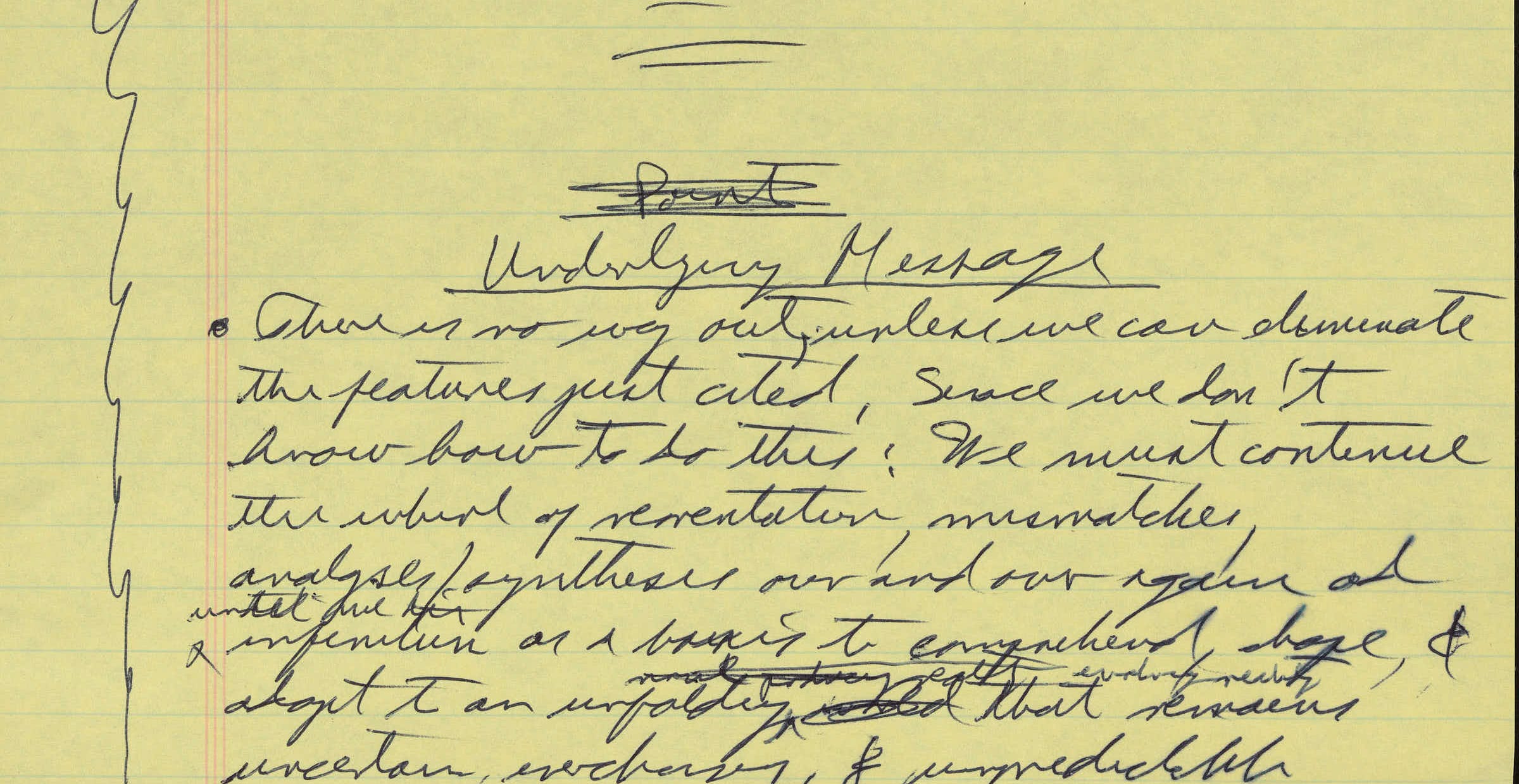
Boyd understood this. Friston formalized it. The prediction error is the only mechanism the system has for learning. No error signal, no update. A debrief that protects people from the error signal is not a debrief. It is a ritual that consumes time and produces the feeling of learning without the substance of it.
Friston draws a distinction that sharpens this further. Minimize sensory surprise through perception. That is the calibration work. Getting your Orientation tight enough to read the environment accurately in real time. But when planning your next move, choosing what to do, deciding where to direct attention, you want to maximize what Friston calls Bayesian surprise. That is information gain. That is what drives curiosity, novelty seeking, the impulse to probe the environment rather than simply confirm what you already believe.
The debrief sits exactly at that boundary. You reconstruct the past to reduce sensory surprise, to get your model of what happened as accurate as possible. But the point of that accuracy is to go back into the environment with an Orientation that can generate better questions, seek better information, and stay genuinely curious rather than just confirming prior beliefs.
An Orientation that never gets updated stops generating Bayesian surprise. It stops seeking. It starts defending. Boyd knew what that meant. The second law guarantees its decay. That is the organization that mistakes activity for adaptation.
The question is never whether we should confront reality. The question is whether we have built the conditions and the tools to do it effectively.
That starts with leaders. Not with policy. Not with a psychological safety program. Psychological safety is a condition, not a culture output. It is set entirely by leader behavior. A leader is not just part of the team. To each team member, the leader is the environment. Boyd understood this: “I am your environment, you are my environment.” Every action a leader takes, asking questions, admitting failure, showing humility, acknowledging an incomplete version of reality, becomes the unfolding circumstances and affordances picked up by each team member’s own OODA loop. Those circumstances land as enabling or governing constraints. They are what psychological safety is actually made of. The leader does not announce it. They produce it, or they don’t, through behavior. Without it, nothing in this post matters. You can have the best simulation, the best replay technology, the best debrief framework, and it all collapses the moment the senior person in the room defends their phenomenal world instead of interrogating it.
The leader sets the conditions. That is the job.
Everything else is downstream.
A Few Questions Worth Sitting With
Does your organization debrief, or does it perform debriefs? There is a difference. One confronts reality. The other manages appearances.
When was the last time your leader went first? Not first to speak. First to surface their own prediction error. First to say their model of the situation was wrong. If you can’t remember, the conditions aren’t set.
Are you building situational awareness or confirming existing beliefs? If your after-action reviews never produce surprise, they are not reaching the belief layer. You are reviewing actions and calling it learning.
What is your organization’s TACTS range? What is the closest approximation of the noumenal world you can bring into the room? If the answer is nothing, you are asking people to update their Orientation using only their own memory. That is asking the model to correct itself from inside the model.
What would it look like in your team or organization to establish the events before the beliefs? To enforce the sequence. Perception first. Facts first. Affordances first. Then and only then, why did you think what you thought?
If any of these questions are uncomfortable, that discomfort is the signal. It is a prediction error. Pay attention to it.
That is the whole game.
-Ponch